

Electronic waste is piling up faster than we can process it. Every year, millions of tons of discarded phones, computers, and appliances end up in landfills, leaking toxic materials into soil and water. Yet hidden within this waste lies valuable materials—gold, copper, and rare metals that could be recovered and reused.
Back in 2014 CycleMoney .Co, a Chilean startup called Cycle Money saw an opportunity to tackle this problem head-on. Their solution? A web application designed to connect e-waste producers with recycling companies, making it easier to trade and recover valuable materials. For a brief moment, it looked like they might change how the world handles electronic waste.
But like many ambitious startups, Cycle Money didn’t make it. The company is now defunct, its website reduced to a bare homepage. So what happened? And what can we learn from their attempt to build a greener future?
What Was CycleMoney.Co?
cyclemoney .co operated as a digital marketplace for electronic waste. The platform allowed three key groups to connect:
- Mining companies looking to source recovered metals
- E-waste generators (businesses discarding old electronics)
- Recycling firms seeking materials to process
By bringing these parties together, Cycle Money aimed to streamline the trading of materials like metal ores, gold, copper, and waste plastics. Recyclers could find e-waste available in their area, while companies with old electronics could connect with buyers who would put those materials to use.
The startup was founded by Luis Bajana and based in Santiago, Chile. In July 2014, they received a $40,000 grant from Start-Up Chile, a government-backed accelerator program known for supporting innovative ventures. This funding helped them develop their web application and test the market.
The Problem CycleMoney .Co Tried to Solve
Electronic waste presents a massive environmental challenge. According to the Global E-Waste Monitor, the world generated over 53 million metric tons of e-waste in 2019 alone. That number continues to grow each year as technology advances and consumers upgrade devices more frequently.
Much of this waste contains hazardous substances like lead, mercury, and cadmium. When electronics end up in landfills, these toxins can contaminate groundwater and harm ecosystems. At the same time, e-waste also contains precious metals that are expensive and environmentally damaging to mine from the earth.
Key challenges in e-waste management include:
- Lack of infrastructure: Many regions don’t have efficient recycling systems in place
- Difficulty connecting buyers and sellers: Companies with e-waste often don’t know where to send it
- Economic barriers: Processing e-waste can be costly without economies of scale
- Regulatory complexity: Different countries have varying laws about waste disposal and material trading
Cycle Money’s platform attempted to address these issues by creating a centralized hub where all stakeholders could find each other. Instead of mining companies extracting new copper from the ground, they could purchase recovered copper from recycled electronics. Instead of businesses paying to dispose of old equipment, they could sell it to recyclers who wanted those materials.
Why Cycle Money Didn’t Survive
Despite the clear need for better e-waste solutions, Cycle Money eventually shut down. While the company hasn’t publicly disclosed the exact reasons for closure, several factors likely contributed to their challenges.
Limited Market Education
For a marketplace to thrive, both sides need to understand its value. In 2014, awareness about e-waste trading platforms was minimal. Convincing mining companies to trust recovered materials over traditional suppliers required significant education. Similarly, e-waste generators might not have known they could monetize their old electronics rather than simply discarding them.
Network Effects Take Time
Marketplaces face a classic chicken-and-egg problem. Buyers won’t join if there aren’t enough sellers, and sellers won’t join if there aren’t enough buyers. Building critical mass requires substantial time and capital—resources that early-stage startups often lack.
With only $40,000 in funding, Cycle Money may not have had the runway to reach the tipping point where the platform became self-sustaining.
Regulatory Hurdles
The e-waste industry is heavily regulated, with different rules in different countries about what can be traded, how materials must be handled, and who can participate in these transactions. Navigating this regulatory landscape requires legal expertise and compliance infrastructure, which can be expensive for a young startup.
Operational Complexity
Unlike purely digital marketplaces (think Airbnb or Uber), e-waste trading involves physical goods that need to be transported, verified, and processed. Quality control becomes critical—buyers need assurance that the materials they’re purchasing meet certain standards. This operational complexity adds costs and challenges that software-only businesses don’t face.
What We Can Learn from Cycle Money
While Cycle Money didn’t achieve its vision, the problem they tried to solve remains urgent. Their story offers valuable lessons for entrepreneurs and environmental advocates alike.
Timing Matters
Sometimes a great idea arrives before the market is ready. In 2014, e-waste awareness was lower, and the infrastructure for circular economy solutions was less developed. Today, with increased focus on sustainability and stronger regulatory pressure, a similar platform might find more receptive audiences.
Funding Needs Match Complexity
Marketplaces that involve physical goods and regulatory compliance need more capital than simple software products. Entrepreneurs tackling these challenges should secure sufficient funding before launch, or find creative ways to reduce capital requirements (like starting with a single city rather than national or international reach).
Build Trust Before Scale
In industries where quality and compliance matter, reputation is everything. Rather than trying to grow quickly across many markets, focusing on one region and building strong relationships with key players might create a more sustainable foundation.
Partnerships Can Accelerate Growth
Instead of building everything from scratch, partnering with established recycling companies or industry associations could provide credibility, market access, and operational support. These partnerships can help overcome the network effects challenge by bringing existing customer bases to the platform.
The Future of E-Waste Management
Although Cycle Money didn’t survive, the e-waste problem continues to grow—and so do solutions. Companies like Schrott24 and others are building similar platforms with varying approaches. Some focus on specific materials, others on particular regions. Governments are implementing extended producer responsibility laws that require electronics manufacturers to handle end-of-life disposal.
Technology is also evolving. Blockchain systems are being tested to track materials through the recycling process. AI-powered sorting systems can identify valuable components more efficiently. Mobile apps are making it easier for consumers to find recycling locations.
The circular economy—where products are designed for reuse and materials flow in closed loops—is gaining traction. As this movement grows, platforms that connect waste producers with material buyers will become increasingly valuable.
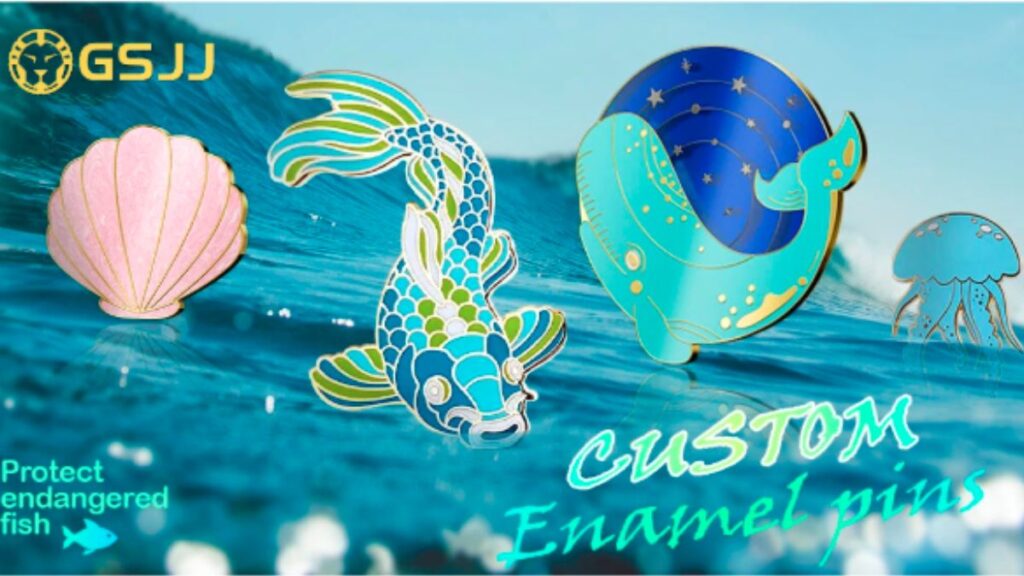
Governments or businesses can award Enamel Pins Custom to encourage those who choose to recycle their e-waste through formal recycling channels.
These pins not only directly express their contribution to reducing environmental pollution and their deep concern for marine ecosystems and vulnerable life, but also call on others to prioritize e-waste recycling and work together for environmental protection.
Frequently Asked Questions
What happened to Cycle Money?
Cycle Money, the Chilean e-waste marketplace startup, is now defunct. The company ceased operations after its 2014 launch and $40K grant from Start-Up Chile. While they haven’t publicly shared specific reasons for closing, common startup challenges like limited funding, market timing, and operational complexity likely played roles.
How did Cycle Money’s platform work?
The platform connected three groups: mining companies seeking recovered metals, businesses with electronic waste to dispose of, and recycling firms looking for materials. Users could list available e-waste or search for specific materials like gold, copper, or plastics in their area.
Who founded Cycle Money?
Luis Bajana founded Cycle Money in Santiago, Chile in 2014.
What is e-waste and why does it matter?
Electronic waste (e-waste) refers to discarded electronic devices like phones, computers, and appliances. It matters because these items contain both toxic materials that can harm the environment and valuable metals that could be recovered and reused instead of mined from the earth.
Are there other companies doing what Cycle Money tried to do?
Yes, several companies operate in the e-waste marketplace space, including Schrott24 and others. Each takes a slightly different approach, but the core concept of connecting waste generators with recyclers remains similar.
How much funding did Cycle Money raise?
Cycle Money received a $40,000 grant from Start-Up Chile in July 2014. This was their only known funding round before the company closed.
Moving Forward with Better E-Waste Solutions
Cycle Money’s story reminds us that solving environmental problems through business isn’t easy. Good intentions and innovative ideas aren’t always enough—execution, timing, and resources matter just as much.
But their failure doesn’t mean the mission was wrong. If anything, the need for better e-waste management has only grown more urgent. The next generation of entrepreneurs building in this space can learn from Cycle Money’s experience while benefiting from increased environmental awareness, improved technology, and stronger regulatory support.
Whether through marketplaces, extended producer responsibility programs, or new recycling technologies, solutions will emerge. The question isn’t whether we’ll solve the e-waste problem, but how quickly we can do it—and who will successfully build the platforms that make it possible.
For now, Cycle Money remains a footnote in the circular economy movement. But their attempt to bridge the gap between waste and value deserves recognition, even if the company itself didn’t survive.
 Admin
Admin